60 Signs You’re a Third Culture Kid (TCK) – Key Traits & Guide for Global Kids
THIS POST MAY CONTAIN AFFILIATE LINKS. THIS MEANS WE MAY RECEIVE A COMMISSION FROM QUALIFYING PURCHASES YOU MAKE THROUGH OUR LINKS. KINDLY READ OUR DISCLOSURE NOTICE FOR MORE INFORMATION.
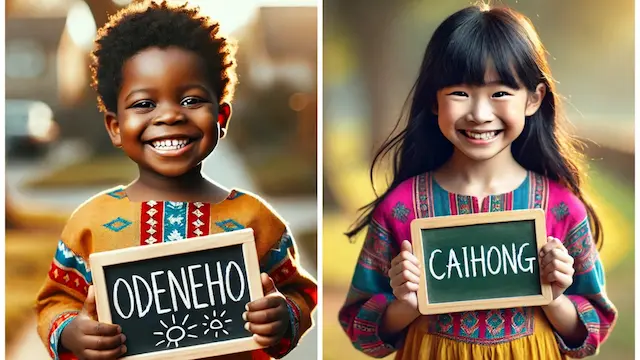
Do you feel like you belong to many cultures but do not fully belong to anyone? If that sounds like you, you might be a Third Culture Kid (TCK).
TCKs are people who spent much of their growing-up years in a culture different from their parents’ or passport country.
This kind of childhood shapes a unique identity, full of global experiences, but it also comes with questions about home, belonging, and self.
Being a TCK is about where you’ve lived and how you see the world, build friendships, and carry pieces of each place.
In this post, we’ll explore what it means to be a Third Culture Kid, highlight 60 signs you might be one, and share the emotional ups and downs that come with this layered identity.
Honor Your Past.
Shape Your Legacy.
Download your FREE starter guide on Cultural Heritage & Legacy—created to help you preserve what matters, honor your traditions, and pass your story on with pride.
Understanding Third Culture Kids
Third Culture Kids (TCKs) grow up in different cultures and often feel like they don’t fully belong to any one of them.
Our unique experiences shape how we see the world and ourselves, creating a layered mix of cultural knowledge. But what exactly makes someone a TCK? Let’s explore.
Definition of Third Culture Kids
A Third Culture Kid spends a significant part of their formative years in a culture different from their parents' and their nationality.
This experience births a “third culture”, a blend of their culture of origin and the various cultures they absorb.
This unique backdrop contributes to their flexible worldview, often allowing them to adapt more easily to new environments.

Origins of the Term
“Third Culture Kid” was first coined in the 1950s by American sociologists John and Ruth Useem.
While studying expatriate communities, they realized that children in these environments developed a unique cultural identity that was not entirely that of their home or host country.
Over time, this concept gained traction and grew to include the unique experiences of kids raised between cultures.
Common Experiences of Third Culture Kids
TCKs often share several core experiences that shape their identity:
- You get used to starting over. Moving from place to place means you’ve learned to adapt quickly, sometimes before knowing what was happening.
- You learn how to read the room. Being around different cultures teaches you to quickly pick up on people’s habits, moods, and unspoken rules.
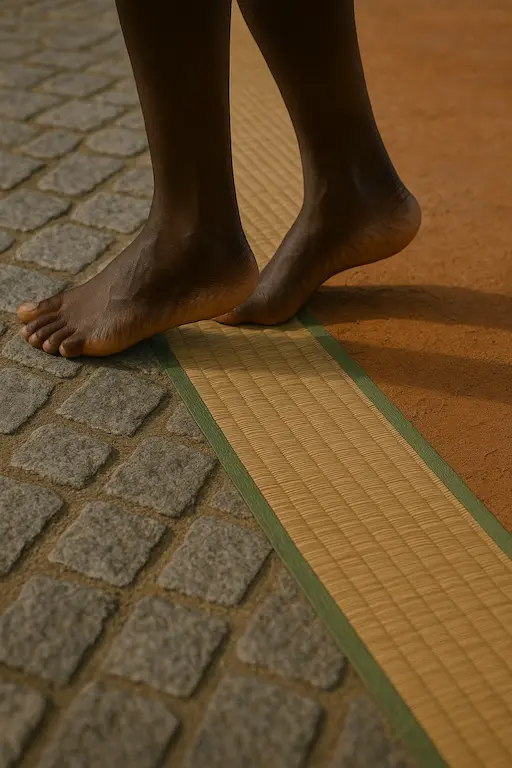
- You feel in between. You might feel at home in many places, but not fully rooted in any of them.
- You’ve had to say a lot of goodbyes. Friendships are often deep but short-term. You get close, then someone moves, or you do.
If this feels like your story, there’s more to explore below about what life can look like for Third Culture Kids.
Signs You Are a Third Culture Kid
Have you ever felt like a chameleon in social settings, blending into various cultural backgrounds effortlessly?
This is often the experience of a Third-Culture Kid. It can also manifest as code-switching, changing how you speak or act depending on your relationship.
Below are key characteristics that highlight your unique place in the world.
Cultural Adaptability
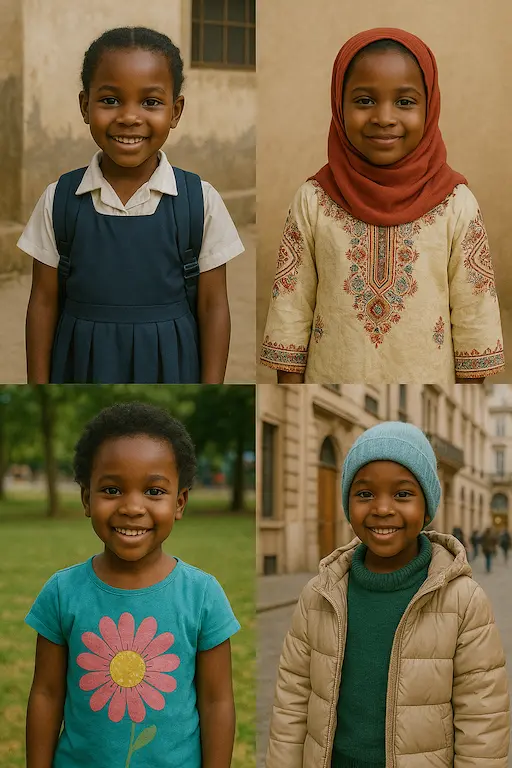
Third Culture Kids get used to adjusting, sometimes without even thinking about it.
We learn how to blend in, read the room, and determine what's expected in each place.
It doesn’t always feel easy, but it starts to feel normal.
1–10: Adaptability and Flexibility
- You’re skilled at adapting to new environments quickly.
- You know how to blend in with different social groups.
- You adjust your behavior based on the cultural context.
- You have a high tolerance for change and uncertainty.
- Moving doesn’t scare you; it excites you.
- You know how to pack light and efficiently for any trip.
- You often catch yourself using hand gestures from multiple cultures.
- You’re comfortable with the idea of starting over.
- You can feel equally at home in a rural village or a big city.
- You're skilled at picking up and leaving without feeling completely uprooted.
Feeling at Home in Multiple Places
For many of us, “home” isn’t just one location. It’s a mix of places, memories, people, and sounds that live in our heads.
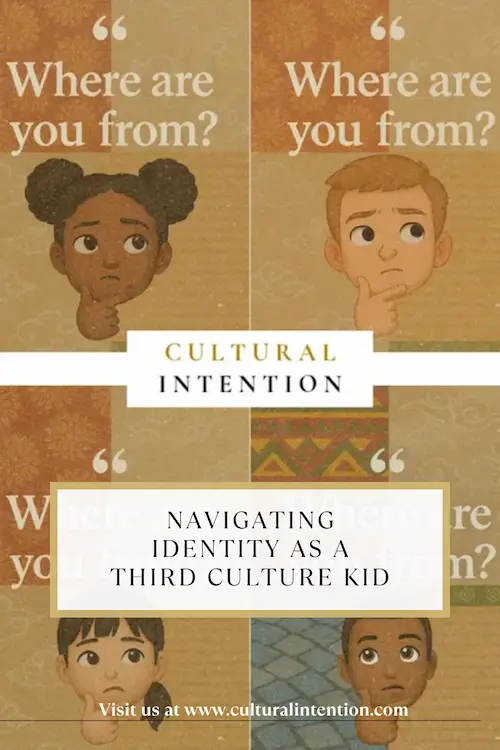
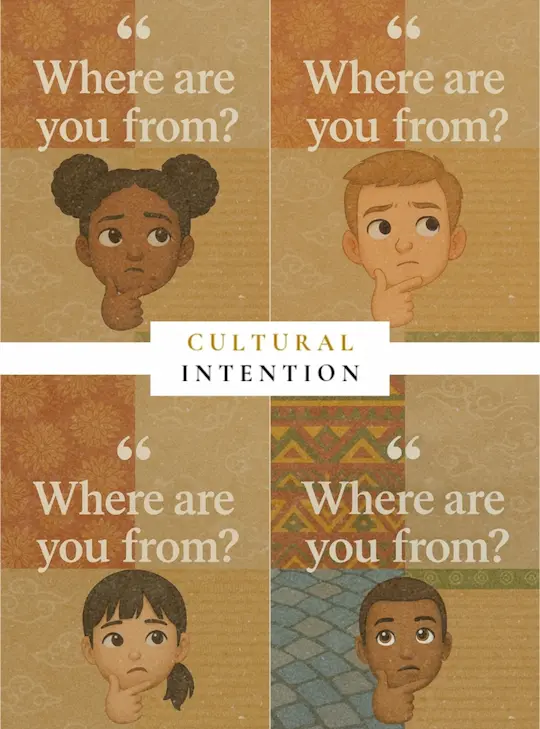
We can feel at ease in different countries, but still struggle when someone asks, “Where are you from?”
Diverse Friendships
We build friendships across cultures without even thinking about it.
You learn how to connect fast, and sometimes let go just as quickly.
Our circles are full of stories, languages, and people who’ve shaped us, even if they’re no longer around.
Language Skills and Challenges
Speaking more than one language is common for many TCKs.
But that doesn’t mean it’s perfect.
In every language, we forget simple words, mix them up mid-sentence, or say something in the wrong accent without meaning to.
It’s a strength, but also something that makes everyday conversations a little more layered.
11–20: Language and Communication
- You speak multiple languages or can understand a few basics in each.
- Mixing languages in one sentence feels natural to you.
- You often find yourself translating words or concepts.
- You sometimes struggle to find the “right” word in one language.
- Language barriers don’t intimidate you.
- You can switch accents or dialects based on your audience.
- You can identify where someone is from by their accent.
- You can say “hello” and “thank you” in multiple languages.
- Cultural references in one language may seem unfamiliar in another.
- You know how to communicate effectively through body language.
Cultural Confusion
Sometimes you’re not sure where you fit.
You know how to move between cultures, but you’re still figuring out where you land.
That can lead to doubt, or even frustration, especially when others expect a simple answer to who you are or where you belong.
And without trying to sound morbid, I sometimes wonder: where would I even want to be buried?
Some people have already decided. But for me, it’s not simple.
Would it be where I was born and raised, where my ancestors are, or where my family lives now, and where my kids will probably stay?
Even that question shows how complicated “belonging” feels when your life spans multiple places.
It’s not just geography but also family, memory, and legacy all mixed together.
Understanding the Signs
These signs aren’t just random traits, but tell part of the story TCKs carry.
Not every sign in this post will apply to you, but if a few do, they might help you make sense of things you’ve felt but never quite had words for.
Challenges Faced by Third Culture Kids
Growing up as a TCK can bring amazing experiences, but it also brings challenges that most people don’t see.
You get good at adjusting, but the emotional weight of always shifting can start to show up in quiet ways over time.
Identity Issues
When someone asks, “Where are you from?” you pause.
Not because you don’t know, but because the answer feels too long or complicated.
You’ve probably tried different versions, hoping one would feel right.
Belonging and Isolation
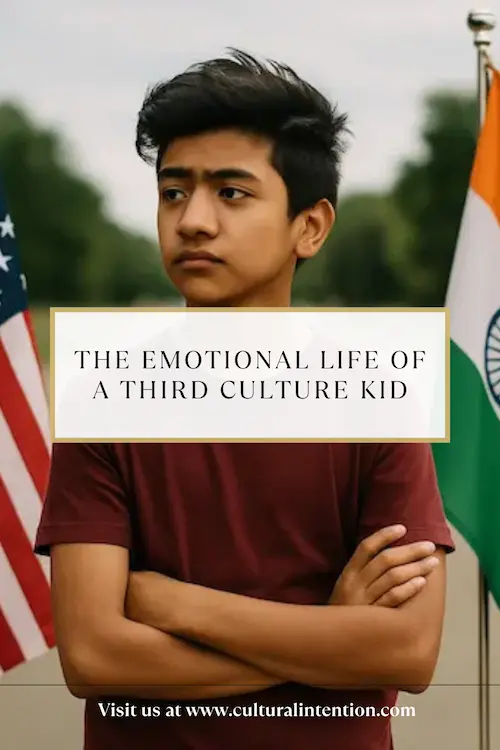
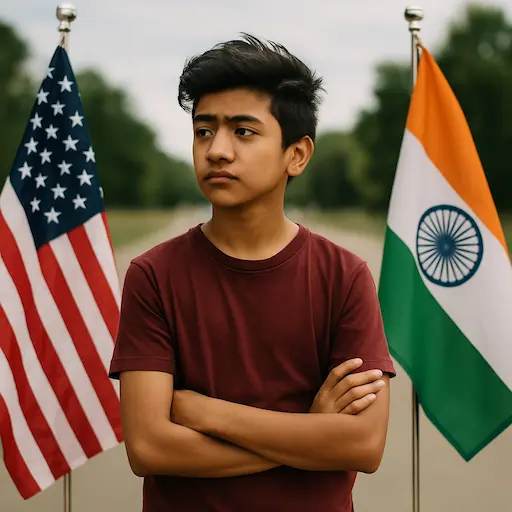
You may feel at ease in different cultures, but still feel like you don’t fully belong in any of them.
Even surrounded by people, that quiet feeling of not quite fitting in can stick with you.
It’s hard to explain unless someone else has lived it too.
21–30: Sense of Home and Belonging
- “Home” is more of a concept than a place.
- You often say you feel at home everywhere and nowhere.
- You’ve learned that people, not places, make a place feel like home.
- Being asked “Where are you from?” is complicated to answer.
- You feel like you belong with other TCKs more than any single culture.
- Saying goodbye has become a regular part of your life.
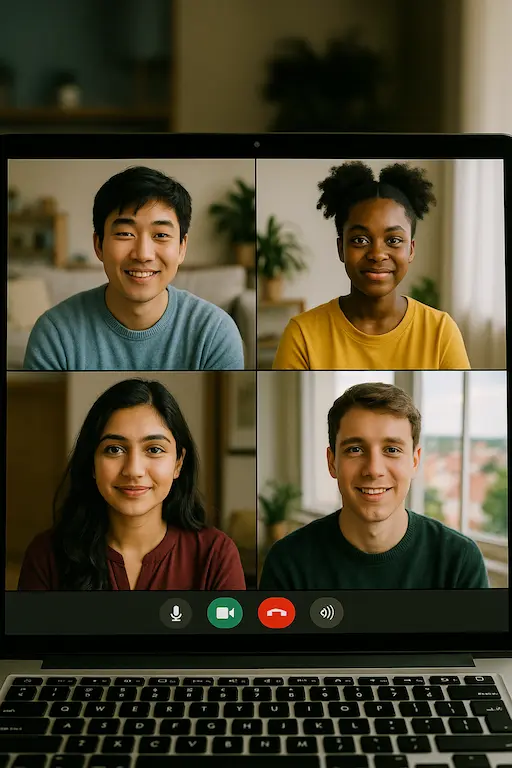
- You have friends all over the world.
- You associate memories with places rather than people.
- Certain smells or foods instantly take you back to specific places.
- You find comfort in keeping a few key possessions wherever you live.
Reintegration into Home Culture
Going “home” might feel strange, especially when people expect you to just fit back in.
The culture you’re supposed to belong to may not feel familiar anymore.
You’re still figuring it out, even when others think it shouldn’t be that hard.
For example, even though we live in the U.S. now, I still find myself thinking about “home.”
For a long time, I thought that place was Germany, where I was born and raised. I still get excited when I get to go back, but it feels different now.
The older I get, the more at home I feel in Ghana. I didn’t expect that, especially after thinking for so long that Germany would always be the most familiar place.
It’s one of those quiet shifts that shows how one's sense of home can change, even when one doesn’t plan for it.
Emotional Management
You get used to goodbyes.
You know how to move, start over, and get on with things, but that doesn’t mean it doesn’t hurt.
Sometimes you feel the weight of all those moves, even if no one else sees it.
31–40: Cultural Understanding and Sensitivity
- Cultural cues and customs come naturally to you.
- You’ve accidentally broken a cultural rule before.
- You’re quick to adjust how you dress or speak.
- You’ve dealt with culture shock more than once.
- Multicultural spaces feel more comfortable than single-culture ones.
- You celebrate holidays from different places.
- You’ve had to explain cultural misunderstandings.
- You’re slow to judge things that seem “different.”
- You’re genuinely curious about how other people live.
- You still carry little habits from each place you’ve lived.
Relationships and Friendships
When you grow up moving and traveling often, friendships take on a different shape, especially when building relationships across cultures and time zones.
You learn to open up fast, hold on loosely, and sometimes say goodbye without warning.
But the connections, lessons, memories, and how people made you feel still matter. Those stay with you, even if the people aren’t in your life anymore or have grown distant.
41–50: Relationships and Friendships
- Friends from multiple countries feel like family.
- Long-distance friendships are second nature.
- Meeting people from all backgrounds is natural.
- You value deep, quality relationships.
- Reunions after long gaps are common.
- Relating to locals can feel challenging.
- You maintain relationships across time zones.
- Diverse perspectives are a big part of your friendships.
- Learning from friends’ cultural backgrounds is natural.
- Multiple digital platforms help you keep in touch.
Career Implications
Being a TCK can shape how you think about work.
You might want a career that allows you to travel or one that finally allows you to stay in one place.
It depends on what you’ve had enough of, and what you still long for.
For me, that longing showed up early. I was excited to start a job that allowed me to travel because I felt like there was more for me out there.
I didn’t want to waste all the languages I had learned or the years I had spent navigating multicultural spaces.
I knew I had something to offer, and I wanted work that made room for all of that.
You often look for a path that fits your story, not just what’s expected.
51–60: Identity and Personal Growth
- Defining identity with one label feels impossible.
- You may have an accent that doesn’t match your birthplace.
- Embracing cultural uniqueness feels empowering.
- Reflection on cultural upbringing is common.
- Not fitting in completely is comfortable.
- Personal values blend multiple cultural influences.
- You seek open-mindedness in others.
- Resilience is a natural part of you.
- Finding common ground with anyone feels effortless.
- Cultural complexity shapes your whole outlook.
Support for Third Culture Kids
Being a TCK can feel amazing, but also lonely.
Sometimes you don’t even realize what’s missing until you hear someone else name it.
Here are a few places to help you feel less in-between and more understood, like you’ve found your people.
- Books like Third Culture Kids by Pollock and Van Reken put language to things you’ve felt for years.
- Counseling can help you unpack emotions you’ve carried for a long time without realizing.
- Online spaces, such as forums, social media groups, or even blog comments, can remind you that you’re not the only one navigating this.
- Cultural Intention hopes to be one of those spaces, too. A place where we can come together, share what shaped us, and keep growing without having to choose just one version of home.
“Being a Third Culture Kid means carrying pieces of different places with you, never fully from one world, but shaped by many. It’s learning to belong without needing to fit in.”
Being a Third Culture Kid often means living with connection and tension, loving many places yet not feeling like you fully belong to any one.
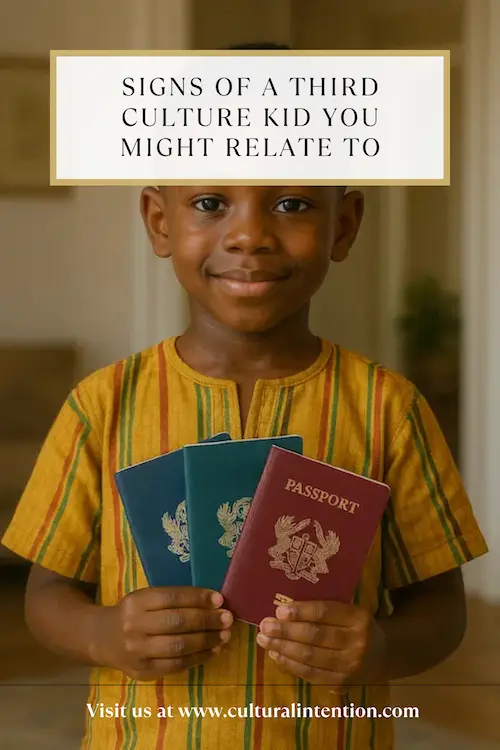
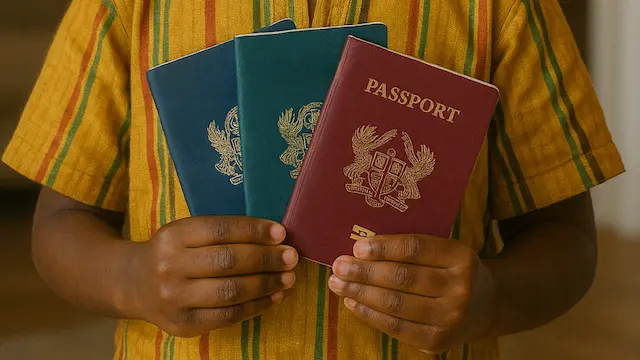
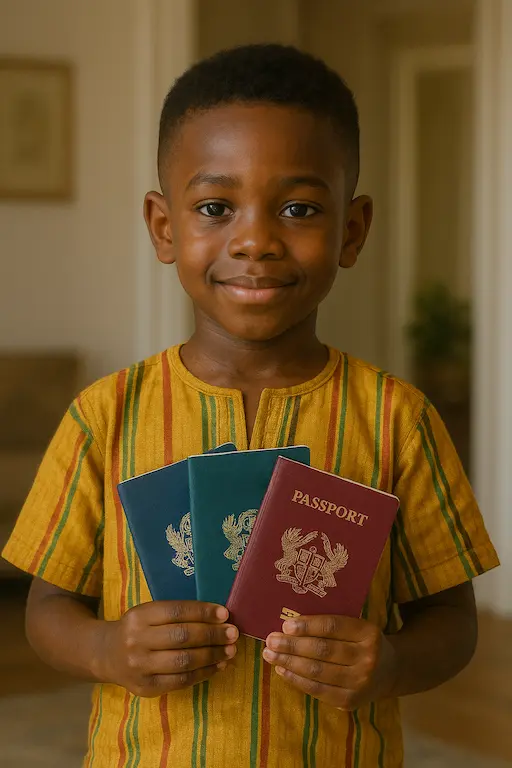
It’s a lot like having a passport full of stamps, each tied to a different chapter of your life.
You learn to adjust, carry pieces of different cultures with you, and build deep friendships across borders.
But even with all that richness, questions about identity, home, and belonging still appear.
If any of these signs felt familiar, you’re not alone. There’s a whole community of us navigating similar experiences.
And while the path isn’t always simple, your story, the full mix of it, has value. You don’t have to shrink or explain it away.
This is your life. It makes sense even if it doesn’t fit in one place. Did you see yourself in these signs, or feel we missed one that matters?
Share your thoughts or part of your own story in the comments. Someone else reading might need to hear it.
IF THIS POST SPOKE TO YOU, EXPLORE MORE OF THE JOURNEY ON OUR SITE.
You'll find free guides, intentional tools, and reflections to support cultural growth and legacy-building.
💬 Looking for connection? Join our Facebook community to continue the conversation.
📌 Pin an image to revisit or share with someone walking a similar path.
Thank you for being here.