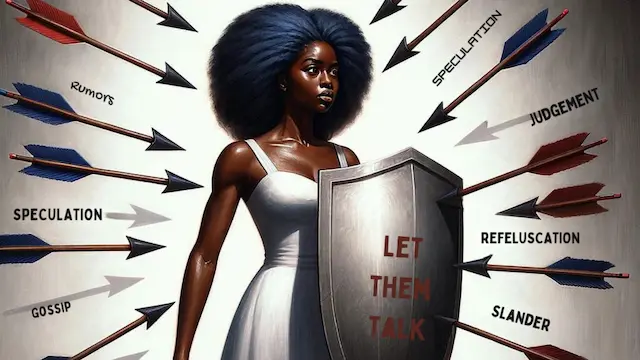
Peace at Home: Habits That Shape a Marriage
Most people talk about love, attraction, compatibility, culture, and faith when they date. Those things matter. Still, many couples skip one question that shapes daily life: will there be peace at home?
Peace at home in a relationship means daily life feels calm, respectful, and emotionally safe most of the time.
Peace at home means the relationship feels calm and respectful most days. You can disagree without fear. You can talk about money without insults. You can raise concerns without being punished with silence or threats.
Before I got married, a family member once told me, “Since being married, I have not known peace.”
It made me question what kind of home I was willing to live in. I started paying closer attention to how conflict played itself out, not just how love felt.
I asked myself why someone would enter, or stay in, a home without peace. Sometimes it is for the children. Sometimes it is money. Sometimes it is safety. Sometimes it is fear of starting over.
Growing up, I had already seen marriages where people stayed for these exact reasons.
When my family member told me they had not known peace since getting married, it changed how I approached dating.
Chemistry matters. Peace at home decides whether love feels supportive or draining.
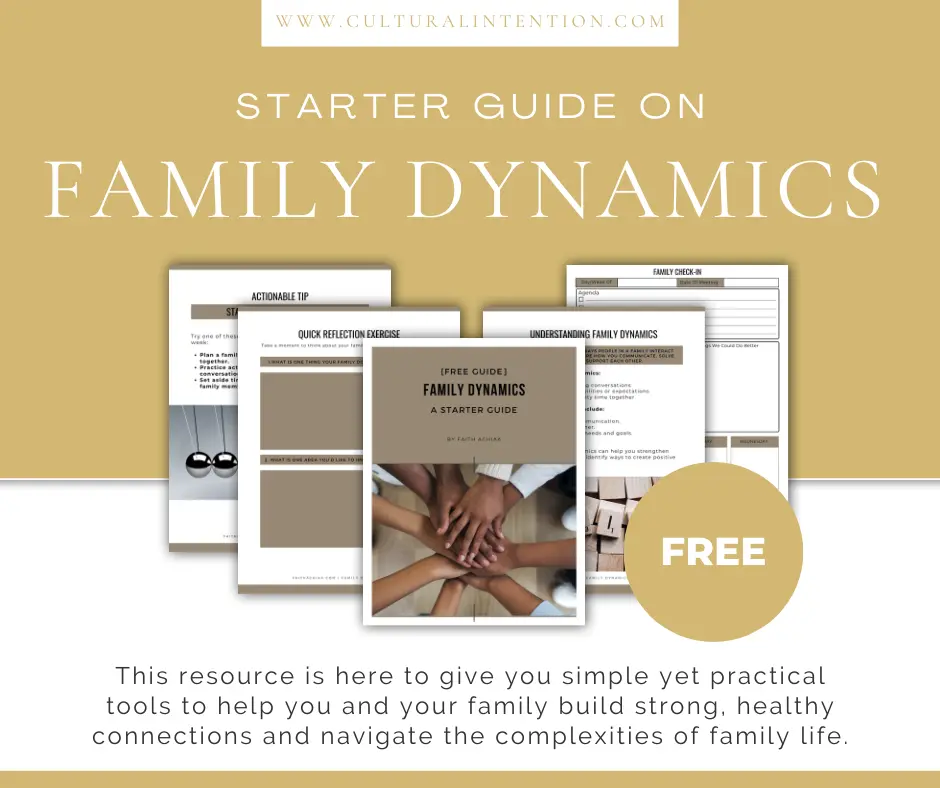
Ready to Create More
Peace and Connection at Home?
Download your FREE starter guide on Family Dynamics to create healthy communication, build stronger bonds, and navigate challenges with intention.
What Peace at Home Actually Looks Like in a Relationship
Every couple disagrees. The tone during those moments tells you what kind of home you’re building.
In a peaceful relationship:
- You can bring up a problem without being mocked.
- Arguments end with a clear talk, not days of cold silence.
- Stress does not turn into yelling, name-calling, or threats.
- Money is discussed openly, with shared responsibility.
- Boundaries are respected.
Peace also includes cultural respect. If your language, traditions, or family are part of who you are, they should not be treated as a burden.
Repeated jokes about your background or pressure to “drop” your roots add tension to a relationship. Over time, that tension does not disappear just because the conversation ends.
While dating, I paid attention to how I felt after disagreements. One argument can happen in any relationship.
Constant strain is when insults, long silence, or blame keep repeating during disagreements.
That was the difference I watched for. Not whether we agreed every time, but whether the tone stayed steady afterward.
Peace at home means disagreements do not turn into humiliation, punishment, or weeks of resentment.
Why Some People Stay in Homes Without Peace
It is easy to judge from the outside. It is harder when you understand the pressure people face.
Some stay because leaving feels risky. Some feel strong cultural pressure to endure. In certain families, divorce carries stigma that feels heavier than unhappiness. These expectations also appear in conversations about arranged marriage in multicultural families.
Religious beliefs can also add weight. Some people are taught that staying is always the right choice, even when the atmosphere at home is difficult.
Finances often play a big role. Shared housing, childcare costs, and health insurance can make leaving almost impossible. Legal status can also play a role.
When someone depends on a spouse for housing or paperwork, peace gets pushed aside for practical reasons.
Recent U.S. data shows that about 41% of first marriages end in divorce, with higher rates for second and third marriages. Numbers do not tell our story. They do explain why many people fear starting over.
Some people stay because:
- Stability feels safer than change.
- Reputation feels heavier than daily stress.
- They believe things will improve.
- They were taught endurance equals strength.
I knew I did not want to normalize the absence of peace. We have seen many of our parents do that.
There is a difference between working through a hard season and adjusting to constant tension. Settling often begins when stress becomes the new normal.
If you have to stay quiet to avoid conflict, the home may look stable from the outside, but it will not feel safe inside.
Dating Red Flags That Disrupt Peace at Home
Attraction can make you excuse behavior you would normally question. Chemistry can speed up emotional attachment before you have seen how someone handles frustration, disappointment, or being told no.
You see someone’s character when plans fall apart, when they feel disrespected, or when they do not get their way.
Listen to how they speak about former partners. Notice how they treat people who cannot offer them anything in return. Watch how they handle money, especially when it affects both of you.
Someone can say they love you and still dismiss your traditions or make jokes about your background.
That difference becomes harder to ignore after marriage, especially around holidays, parenting decisions, and financial support to relatives. Many couples later face pressure from extended family or struggle with setting boundaries with difficult in-laws.
Before commitment, patterns matter more than promises. Notice what happens after conflict. Does the issue settle, or does it resurface for days?
Are apologies clear, or do they circle back into blame? Is “no” accepted, or do they try to make you feel guilty for setting a boundary?
Notice how you feel before and after difficult conversations. If normal discussions make you anxious, that signals something about how safe you feel in the relationship.
Long-term patterns of emotional pressure can also appear in relationships shaped by enmeshment or codependency.
If hard conversations end and you can move forward without tension hanging over you, that signals emotional maturity.
Many people grow up hearing that marriage will fix problems. The belief is that once the wedding happens, life settles down and the relationship improves on its own.
Marriage does not create peace. It reveals the habits and patterns that were already there. The way you handle disagreement before marriage is the way you will handle it after.
The way you repair conflict before marriage is the way you will repair it after. My mother always told me to make sure that whatever I start in a relationship is something I can maintain.
That advice made me pay attention to patterns early, not just promises.
Peace at Home and the Impact on Children
Peace at home shapes how children understand relationships.
Kids notice tone and tension. Even when they cannot explain it, they notice when voices change, when conversations stop suddenly, or when adults avoid certain topics.
In tense homes, children often learn to stay alert. They may try to manage adult moods or avoid topics that cause conflict.
Over time, this can turn into anxiety, people-pleasing, or anger that feels hard to control.
In peaceful homes, children learn different skills. They learn how to disagree respectfully. They learn that problems can be solved without insults. They see repair in action.
For multicultural families, this dynamic can carry extra weight. Parenting across cultures often requires navigating language, traditions, and expectations inside one household, which many families experience in multicultural parenting relationships.
Many children in these homes are already learning how to move between languages, expectations, and cultural norms. They may hear one set of values at home and another at school or in the wider community.
When everyday life at home is filled with arguments or unresolved conflict, children often stop bringing up questions that might create more tension.
Questions about language, traditions, identity, or belonging can start to feel like another problem to add to the room.
Over time, those questions stay unspoken. Instead of exploring identity openly, children learn to manage the atmosphere around them.
Peace is not only about adults. The way conflict is handled at home becomes the pattern children expect in their own relationships.
Choosing Peace Without Expecting Perfection
Peace at home does not mean a perfect partner. It means a safe tone and shared effort.
Some couples argue often and still have peace because they repair quickly. Some relationships appear peaceful from the outside, but inside the home one partner controls decisions or uses silence as punishment.
Peace includes:
- Repair after conflict.
- Respect during stress.
- Shared responsibility around money and chores.
- Space for both people’s needs.
- Cultural and faith respect without mockery.
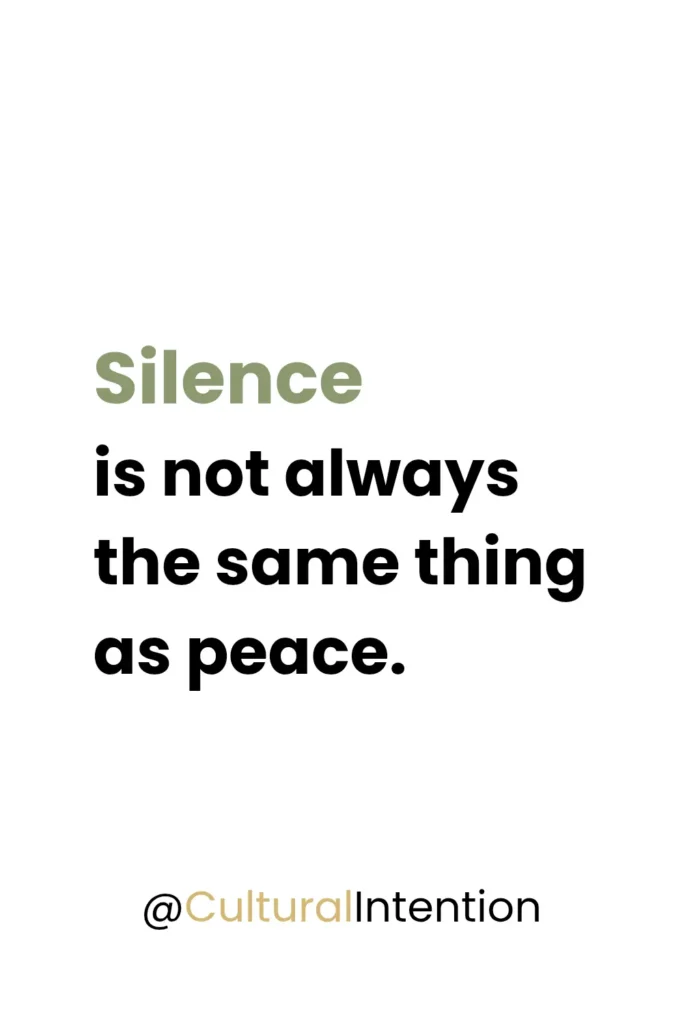
Avoiding an argument can make the house look calm for the moment, but the issue usually stays unresolved. The frustration does not disappear. It sits there and often returns later.
Silence can also stop a fight temporarily. Yet when people stop speaking instead of working through the problem, the relationship often becomes more distant.
A home with real peace still has disagreements. The difference is that problems are talked through and eventually resolved instead of being ignored or used as punishment.
How to Talk About Peace Before Engagement
If you are dating and serious, talk about peace directly.
You can:
- Share what peace at home looks like for you.
- Ask how conflict was handled in their childhood home.
- Discuss one real scenario, such as job loss or caring for aging parents.
- Agree on basic rules, such as no insults, no threats, and finishing hard talks.
- Watch whether actions match the conversation.
Promises are easy to make. What matters is whether someone follows through on what they said they would do.
FAQ About Peace at Home in Relationships
What does peace at home mean in marriage?
Peace at home means the relationship feels emotionally safe most days. Disagreements happen, but they end with respect. There are no threats, humiliation, or ongoing fear.
How do I know if someone is emotionally safe to marry?
Look for consistent behavior under stress. Notice how they handle frustration, admit mistakes, and respect boundaries. Patterns matter more than words.
What are early signs a relationship may not have peace?
Frequent blame, jealousy presented as love, disrespect during arguments, pressure to move quickly, and isolation from your support system are warning signs.
Should I stay in a marriage without peace for the children?
Children need stability and safety. A home filled with constant tension teaches stress as normal. If unsure, seek guidance from a therapist, trusted faith leader, or advocate when safety is a concern.
“Peace at home is the standard that protects everything else.”
Choosing who you date and marry affects what daily life feels like at home. The small habits between two people shape the atmosphere everyone lives in.
Love, attraction, and shared interests matter. Still, the way two people handle conflict matters just as much. Some couples argue and move forward. Others carry tension that never fully clears.
Over time, that pattern becomes the environment of the home. It affects how partners speak to each other, how children experience family life, and whether the household feels calm or strained.
That is why peace at home deserves serious attention long before a wedding. The tone you accept while dating often becomes the tone you live with later.
IF THIS POST SPOKE TO YOU, EXPLORE MORE OF THE JOURNEY ON OUR SITE.
You'll find free guides, intentional tools, and reflections to support cultural growth and legacy-building.
💬 Looking for connection? Join our Facebook community to continue the conversation.
📌 Pin an image to revisit or share with someone walking a similar path.
Thank you for being here.