Understand what shaped you.
Decide what you keep.
Build your intentional legacy.
Cultural Intention is a framework for understanding what shaped you and deciding what you want to carry forward.
The beliefs, expectations, habits, traditions, and patterns we inherit can come from family, faith, culture, community, country, and generation. Some still fit. Some need to change. Some are worth protecting.
Understanding what shaped you also affects how you understand the people around you. The cultural environments people grow up in influence what they value, expect, communicate, question, preserve, and see as normal.
Cultural environments shape more than we realize
Culture is not limited to nationality or ethnicity.
The environments that shape us can include family culture, faith, language, country, neighborhood, community expectations, generational patterns, social norms, relationships, and the traditions we grow up around.
These environments often teach us what feels normal before we ever think to question it.
- What does respect look like?
- What makes someone a good daughter, son, parent, spouse, or family member?
- Who is responsible for whom?
- How should money be handled?
- What emotions are acceptable to show?
- What does success mean?
- What does family owe each other?
- What gets talked about, and what stays unspoken?
Cultural environments also hand us stories about who we are, what is expected of us, how relationships should work, what success looks like, and what is possible for our lives.
Those stories can become so familiar that we follow them without realizing where they came from.
Cultural Intention looks at the beliefs, expectations, patterns, practices, and narratives shaping those questions.
We ask what shaped us, what still fits, what needs to change, and what deserves to be carried forward.
Not everything inherited needs to be broken
Conversations about family patterns often focus on what went wrong.
That is only part of the story.
Families and cultures also pass down wisdom, language, traditions, humor, faith, stories, ways of caring for one another, skills, values, and knowledge worth protecting.
Cultural Intention asks questions in both directions.
- What shaped this?
- What did I inherit?
- What am I still carrying?
- What still fits?
- What needs to change?
- What deserves to be preserved?
- What do I want to build or pass on?
The subject changes. The questions do not.
This is where intentional legacy begins
Legacy is not only what we leave behind one day.
It is what we are building while we are living.
The way we handle relationships becomes part of a legacy.
So do our beliefs about money, health, faith, education, emotions, responsibility, culture, family, and belonging.
Cultural Intention looks at intentional legacy across ten areas of life:
Mental, physical, financial, social, emotional, relational, educational, spiritual, cultural, and generational.
The question underneath each one is the same:
What was I taught about this, what am I still carrying, and what do I want the next generation to receive from me?
Cultural intention also means looking beyond ourselves
Understanding what shaped us is one part of the work.
Understanding what shaped the people around us matters too.
We live, work, parent, build relationships, and share spaces with people whose families, countries, faiths, traditions, histories, and experiences may be very different from our own.
Cultural environments also shape how people are perceived, evaluated, treated, and what opportunities they are offered in schools, workplaces, and other shared spaces.
Cultural awareness asks us to become curious about those differences without treating our own way as the default.
That includes learning about people across cultures, countries, faiths, identities, and ways of life.
It also means recognizing how much of human experience overlaps, even when the details look different.
That outward curiosity is part of living with cultural intention.
Meet Faith
I’m Faith, founder of Cultural Intention.
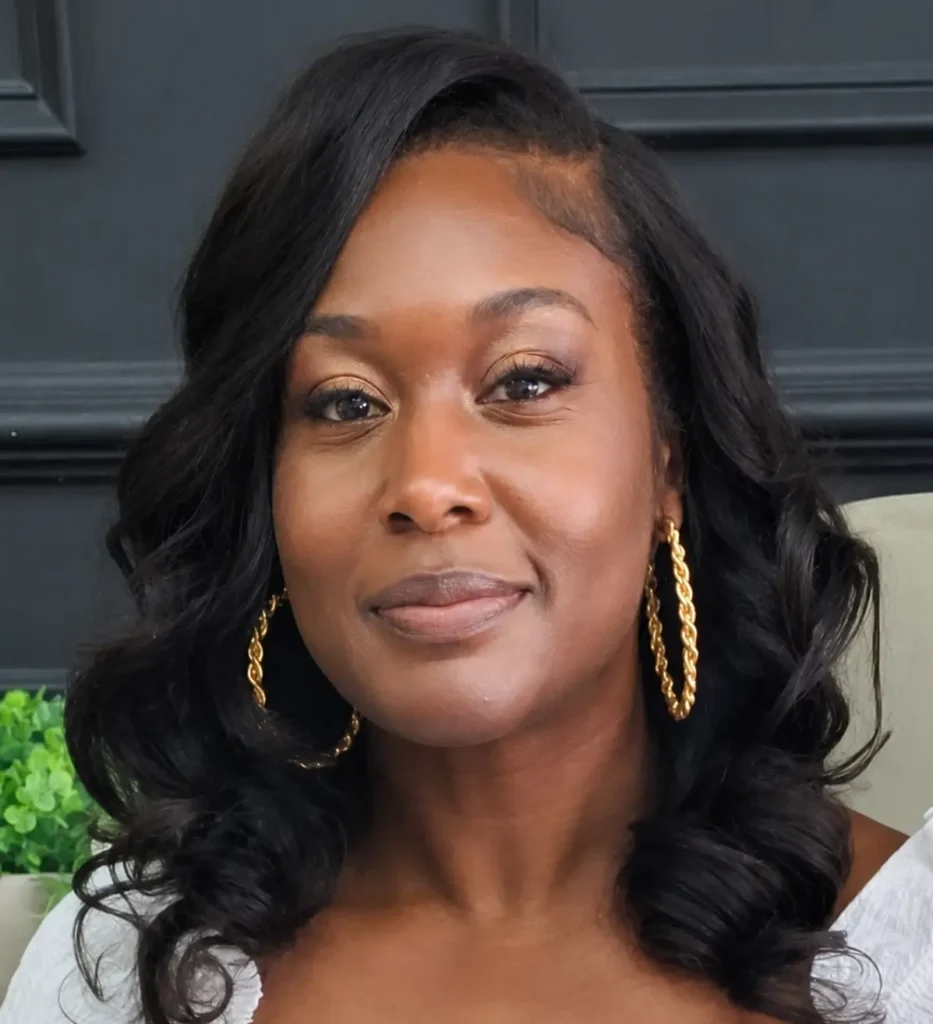
I am Ghanaian, was raised in Germany, and now live in the United States, where my husband and I are raising our three children.
Growing up across cultures made me aware early that what feels completely normal in one environment may be understood very differently in another.
Family, heritage, country, language, faith, expectations, and relationships can all shape us at the same time.
Becoming a parent made me pay even closer attention to what gets passed down without being named.
- What do we repeat because it is familiar?
- What do we question?
- What do we preserve?
- What do we want our children to experience differently?
Those questions became part of the foundation for Cultural Intention.
My work connects family patterns, cultural identity, relationships, parenting, heritage, personal growth, global citizenship, and legacy because those parts of life rarely exist separately.
I am interested in what sits underneath them.
- Where did this belief come from?
- Why does this expectation feel so strong?
- Is this mine, inherited, or both?
- What part of it still matters to me?
- What deserves to continue?
- What needs to change?
- What do I want to build from here?
Why Cultural Intention exists
The world we live in is increasingly multicultural, intercultural, and transcultural.
Families cross borders.
Children grow up between languages and cultures.
Relationships bring together different histories, traditions, expectations, and ways of seeing the world.
At the same time, even within one family or one culture, generations can experience life very differently.
Cultural Intention exists to make those influences easier to see and question.
Not so we can erase where we come from.
So we can understand it.
So we can preserve what matters.
So we can change what no longer fits.
So we can make more conscious choices about what comes next.
A culture of being intentional in all we do
Cultural Intention is bigger than one topic.
It is a way of asking better questions about how we live, relate, parent, preserve, build, and pass things on.
- Understand what shaped you.
- Decide what you keep.
- Build your intentional legacy.